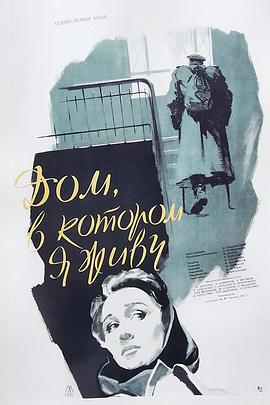
故事是这样的:一栋莫斯科老住宅楼里,几户人家在战前过着平淡的邻里生活——孩子们在院子追逐,女人们在厨房争吵,男人们下班后下棋。演员们演得跟真人似的,没有那种慷慨激昂的台词,就是普通人面对生死时的沉默和颤抖。没有刻意煽情,却让人在平静画面下感受到钝痛。如果你只想看爆米花式的战场轰鸣,这部片子可能太慢;但若你想透过一道门缝窥见那个年代真实的体温,它值得你花一个下午。 瓦莲京娜·特列金娜饰演的母亲沉默而坚忍,她用眼神和细微的身体语言传递出失去儿子后的空洞,而非依靠台词煽情。
 Valentina Telegina饰演的母亲,低头缝补军大衣时手指微微发抖的细节,比任何哭喊都戳人。
They do not show war in this film, they show people and their dreams and hopes ruined by the war. It is not just another "war film", but it rises to the level of a true Tragedy. Not a propagandist or a sob story. Many critics compare this film to another famous Russian war drama, The Cranes Are Flying. I still think that The House I Live in is better, though, if you've seen The Cranes and liked it, most probably you'll love this one either. Both films were shot in 1957 and treat the war theme from the similar humane perspective. I wouldn't cut a single shot from the film, all of them are just in place. I do not know if it can be found outside Russia, if yes, don't miss it.
Many critics pointed out resemblances between Dom, V Kotorom Ya Zhivu (The House I Live In) and the better-known Soviet film The Cranes are Flying. Set in the years prior to and during WWII, the story centers on the various residents of a co-op house. Though the directors never show the war itself, its tragic impact is felt throughout the film. And despite the potential for Soviet propaganda, what sticks in the mind is the universality of the experiences endured by the leading characters. Dom, V Kotorom Ya Zhivu was one of Russian's entries in the 1958 Brussels Film Festival.
相关搜索:
老房子的春天七零年代的房子六七十年代的住房1950年的房子我住的房子像什么