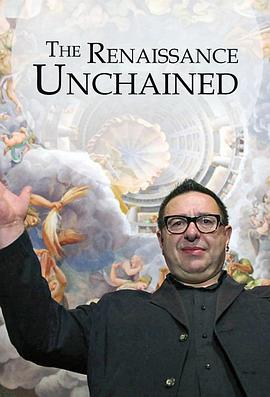
《文艺复兴解锁》简直是给艺术迷们量身定制的“电影大餐”。不用啃大部头,跟着他就能轻松读懂达·芬奇与米开朗基罗。主持人Waldemar Januszczak全程快语速、带着调侃的口吻,把几百年前的艺术家还原成有血有肉的人,那种像是在听老友八卦的历史感非常带劲。如果你是个艺术小白,或者平时只刷短视频,千万别错过,这种“大神带你飞”的体验,绝对解压又涨姿势。如果你喜欢历史故事或文艺复兴题材,这部片子绝对不容错过。这部纪录片风格独特,像是一场戴着墨镜的艺术品鉴秀。
According to Giorgio Vasari, the first art historian, the Renaissance was centred on a revival of interest in classical art that began and flourished in Italy. Waldemar disagrees, and accuses Vasari of errant jingoism. In fact, the most significant early developments in Renaissance art took place not in Italy, but in the ‘barbarian’ lands of Flanders and Germany. Instead of understanding the Renaissance as a return to classical models, we should see it as a climax of medieval values - an epoch of huge religious passions and powerful human emotions.
The series will celebrate material that is new to television. Waldemar will include art that is not usually thought of as Renaissance art. This will involve 're-classifying' what is sometimes called Late Gothic, and showing it off as a marvellous and native artistic tradition, particularly in the remarkable field of polychrome sculpture. On top of all the new art to be introduced, Waldemar will also look from fresh and intriguing angles at many of the established Renaissance giants, including Michelangelo in the Vatican, Leonardo in the Louvre, Botticelli in the Uffizi and Van Eyck in Ghent.
相关搜索:
第二次文艺复兴文艺复兴是什么主义文艺复兴终究复兴了什么文艺复兴为什么叫文艺复兴文艺复兴采用什么方式