如果你正在犹豫要不要看,我可以告诉你:这部1933年的《大洪水》真正耐看的地方,在于它用近乎纪录片式的平实镜头,把一场灾难拍出了市井生活的质感——没有花哨的蒙太奇,反而用长镜头盯着洪水漫过街道、吞没房屋的过程,让人隔着屏幕都能闻到那股潮湿与恐慌。佩吉·香农饰演的母亲在慌乱中丢失孩子的一段长镜头,几乎完全靠面部肌肉的颤抖和眼神的失焦来传递绝望,没有一句台词,却比后来的CG洪水更有穿透力。导演费利克斯·E·费斯特采用多线并行的结构,将水坝决堤前后数小时内不同阶层人物的命运交错编织——从工程师的理性崩塌到小镇居民的集体恐慌,剪辑节奏随着水位上涨逐级收紧,没有依赖过度煽情的配乐,而是用环境音(轰鸣的水声、碎裂的木板)制造生理性的压迫感。 这种拍法让影片更像一部披着灾难外衣的社会写实片——它关心的不是“大场面”,而是文明崩塌后人性的赤裸呈现。直到堤坝被冲开一个口子,泥浆裹着树枝涌进街道。影片没有刻意煽情,反而用粗糙的早期特效和实景洪水还原出令人窒息的压迫感——那些被冲垮的木屋、漂在水上的家畜,比任何台词都更有力量。
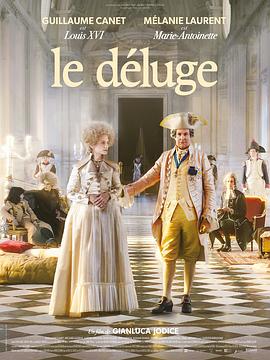
When talking about Louis XVI and his wife Marie Antoinette, what immediately comes to mind are lace, tall wigs, flamboyant clothes and colours, Versailles, or… the guillotine. Here, between these two extremes, exists a middle ground, a period of time seldom explored: the few months when the last king and queen of France were imprisoned, with their two young children, in a black castle on the outskirts of Paris, awaiting their executions. A brief and condensed period where, amidst violence and harassment, all masks fell off: those of two royals, as public and private figures; that of the old regime; that of a History that finally turned the page; and that of God who, from then on, was eclipsed by the shadows, leaving man entirely alone.
相关搜索:
韩国灾难片《大洪水》大洪水时间山洪暴发视频历史最大洪水史前大洪水是哪一年